
Don’t waste the first fifteen minutes at MWC
Don’t waste the first fifteen minutes at MWC
MWC meetings are short, competition for attention is brutal and everyone arrives with something they want to say. If the first fifteen minutes are spent explaining who you are and why your story matters, you have already given away half your conversation.
Companies spend months preparing for MWC. Stands are designed, launches are timed, customer meetings are booked and executive diaries gradually turn into an elaborate game of Tetris.
Yet the story they want customers and media to understand is often left until remarkably late; February arrives and everyone starts talking at once.
Executives become more active on LinkedIn, corporate blogs suddenly rediscover their purpose and PR teams begin trying to convince journalists that this year’s chosen theme really is different from everybody else’s.
The problem is not the activity; it is the timing.
The first fifteen minutes problem
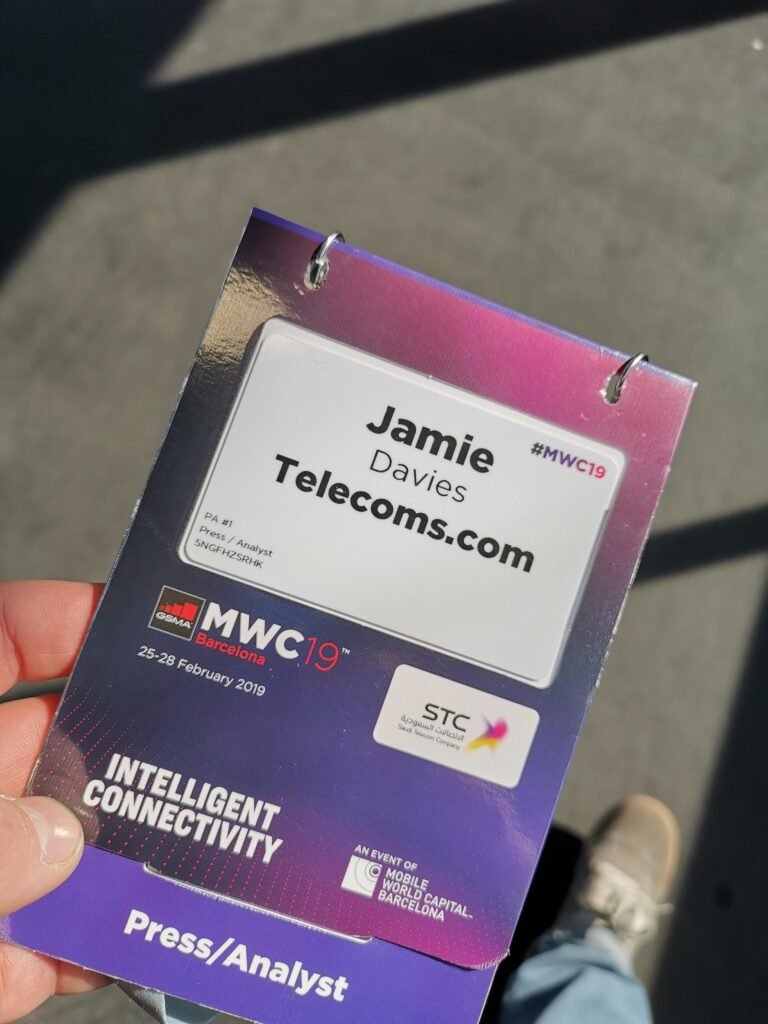
I have spent plenty of time sitting across from companies at MWC during my journalist days, usually with around 30 minutes in the diary, and too often, the first fifteen disappear on introductions.
Here is who we are. Here is what the business does. Here is why this market matters to us. Here is the context you need before we get to the thing we actually wanted to talk about.
By the time you reach the nuts and bolts, the genuinely interesting part of the conversation, half the meeting has gone.
The same problem exists with customers. If the first part of a valuable meeting is spent establishing the company’s position and explaining the narrative from scratch, there is less time to explore how the issue affects that customer, where their priorities differ and what might happen next.
For both media and customers, the nuts and bolts are where the interest lives, and this is where the value lies for you as a business. The objective should always be to operate where the value lies, but many do not do that today.
Owned media gives the conversation a memory
Owned media is often treated as a publishing channel, but its more useful role is creating continuity.
A company can introduce an argument months before MWC, return to it from different angles and gradually build a body of thinking around the issue. An executive can frame the problem, challenge the industry’s response, introduce evidence and explore the commercial consequences without trying to force the whole argument into one article or one meeting.
The conversation starts to acquire a memory, and the brand starts to develop a reputation.
Customers can encounter the thinking before they enter the meeting room. Sales teams have something useful to share before and after conversations, rather than another corporate brochure. Executives have established ideas they can build on rather than repeatedly introducing.
For media, the benefit is similar. A journalist being introduced to an executive can see what that person has been saying, whether there is substance behind the pitch and how their thinking has developed, and the interview can start further down the road.
That does not guarantee coverage, nor does it mean every customer will religiously follow an executive’s articles. It simply means the narrative exists somewhere other than inside the meeting itself.
Make Barcelona the interesting bit
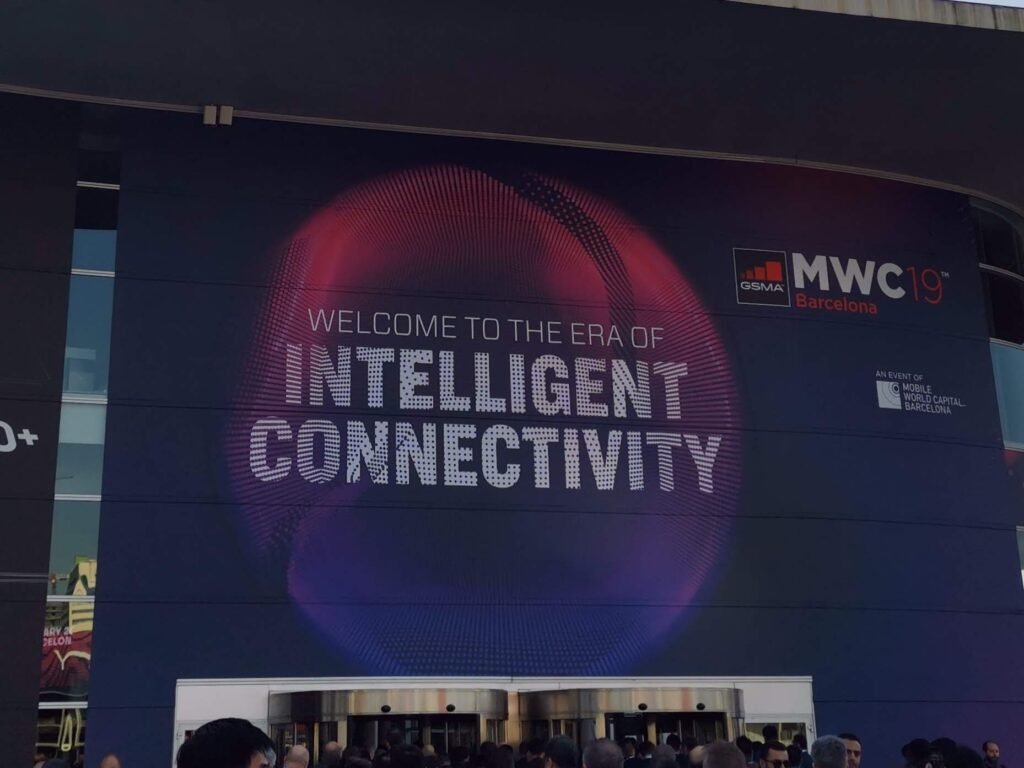
MWC should be where these conversations accelerate, not where they begin.
If customers already recognise the problem, the meeting can focus on their version of it. If journalists already understand the executive’s position, the interview can move beyond the corporate introduction and towards disagreement, detail and consequence.
That is usually where the interesting stuff lives. There is something slightly backwards about spending months preparing the stand, the diary and the hospitality while waiting until the final few weeks to establish what you actually want the market to remember.
Start the conversation earlier and Barcelona becomes more useful. Not because there is more content, but because you recognise where the value in these conversations actually is.
And it is not in the lost fifteen minutes.
Bring us the raw thinking
And we'll turn it into a content marketing plan which engages across different platforms and audience profiles
Tell us the idea
And we'll show you how you can layer the argument, build in redundancy, and support other channels